We present an interior arrangement that, beyond its primary function of lighting, offers the added benefit of a unique and striking appearance that enhances the overall decor.
The client chose to use GEOMETRIC TRIANGLE LED MINI luminaires from the standard PXF Lighting range. While suspending fixtures on cables is a common method, arranging them into a geometric composition significantly elevates the aesthetic appeal of the space.
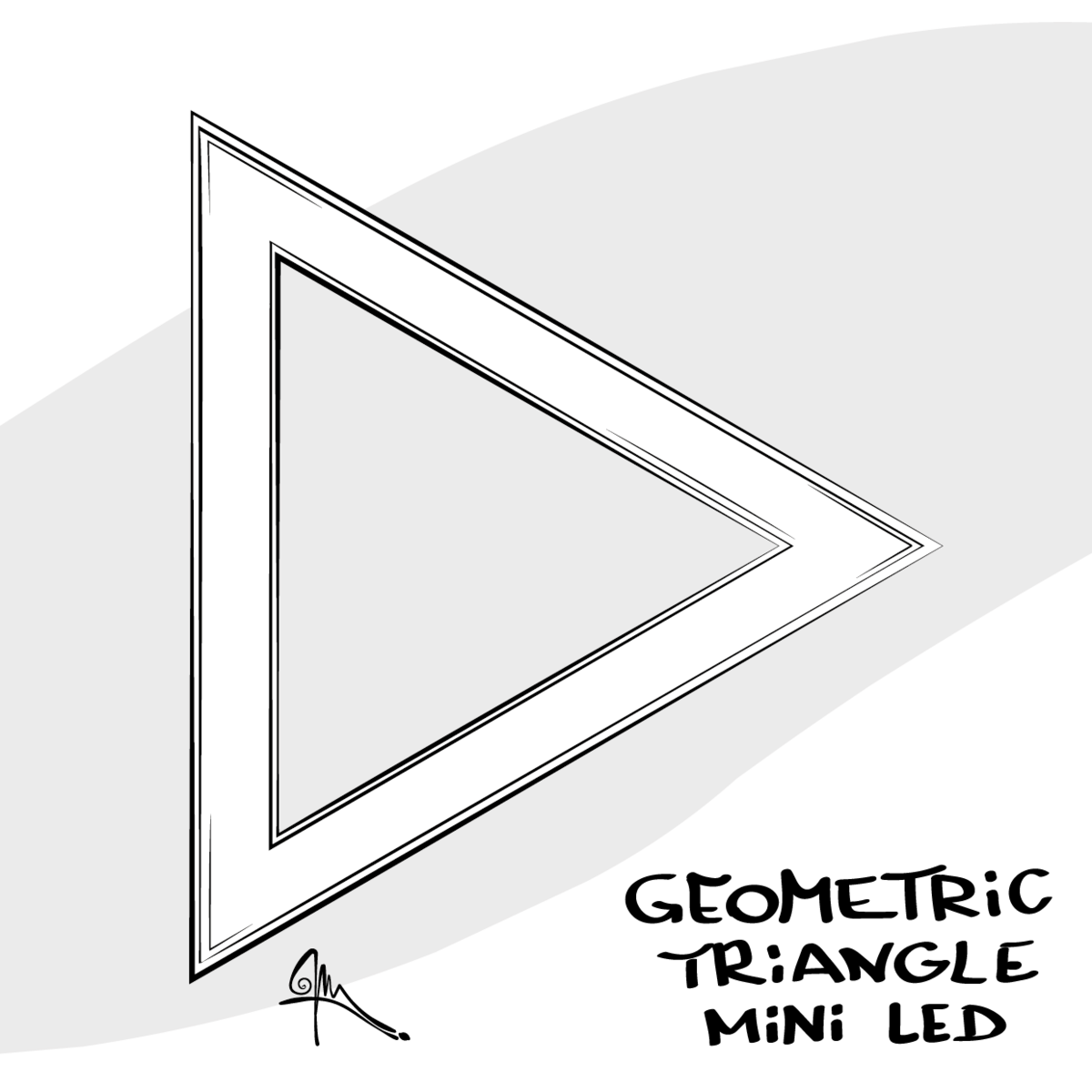
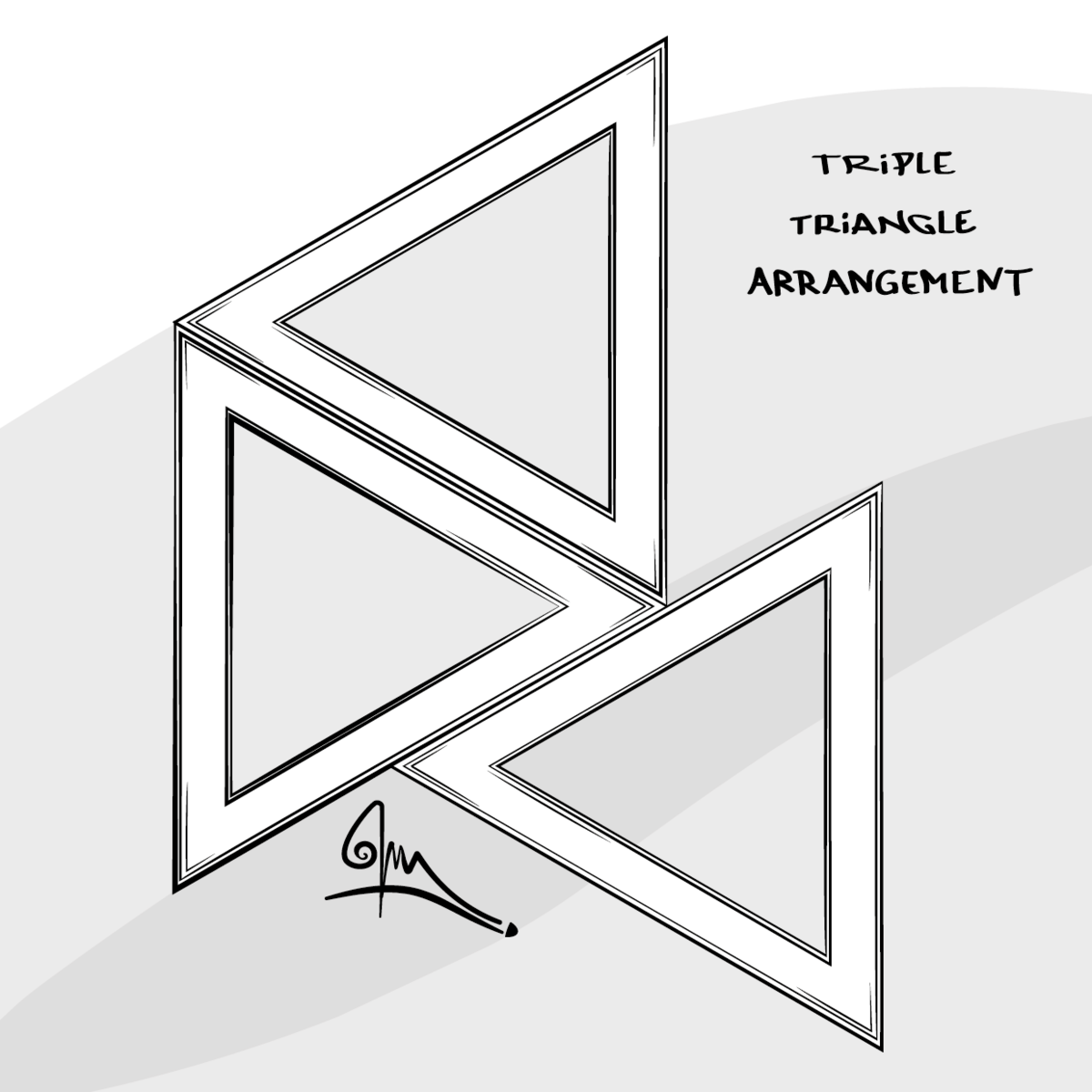
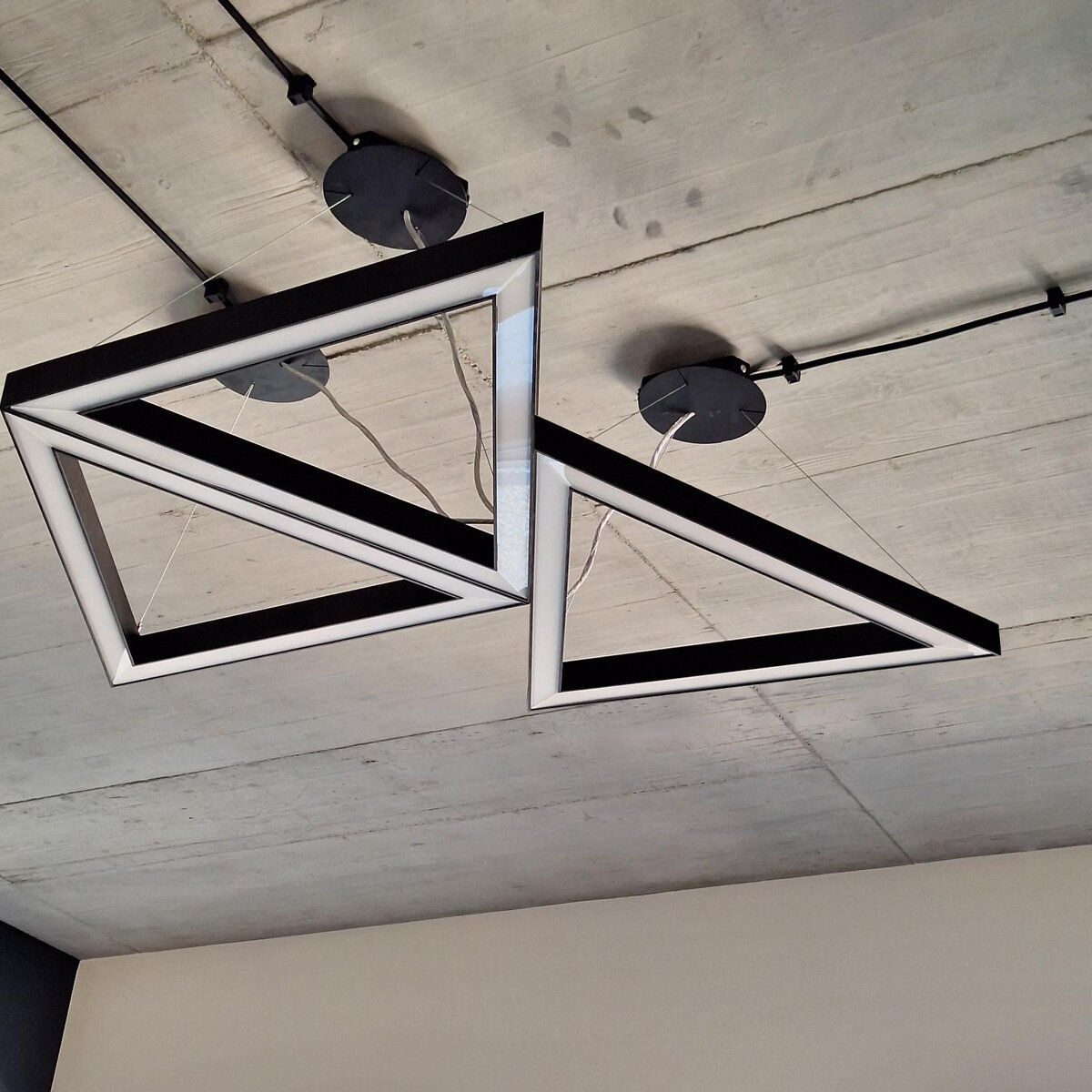
Raw architectural concrete ceilings
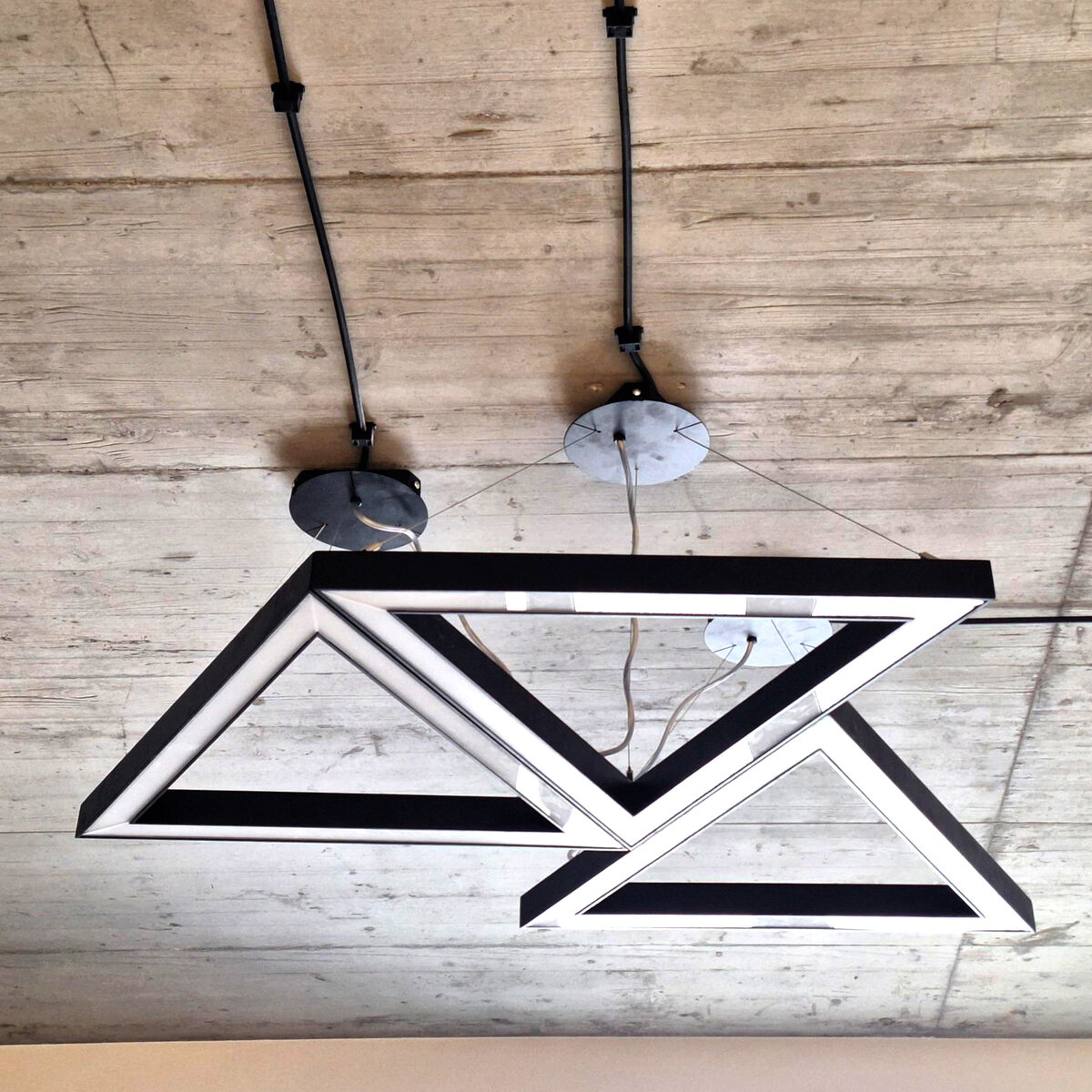
Luminaires installed during the interior finishing stage
Interior lighting has long ceased to be purely functional. Today, light is a sculpture, and the way luminaires are installed can completely transform the perception of architecture. One of the most intriguing trends is the use of triangle-shaped luminaires, mounted in ways that defy classic patterns.
Here is how an unconventional approach to geometry can create unforgettable aesthetic experiences.
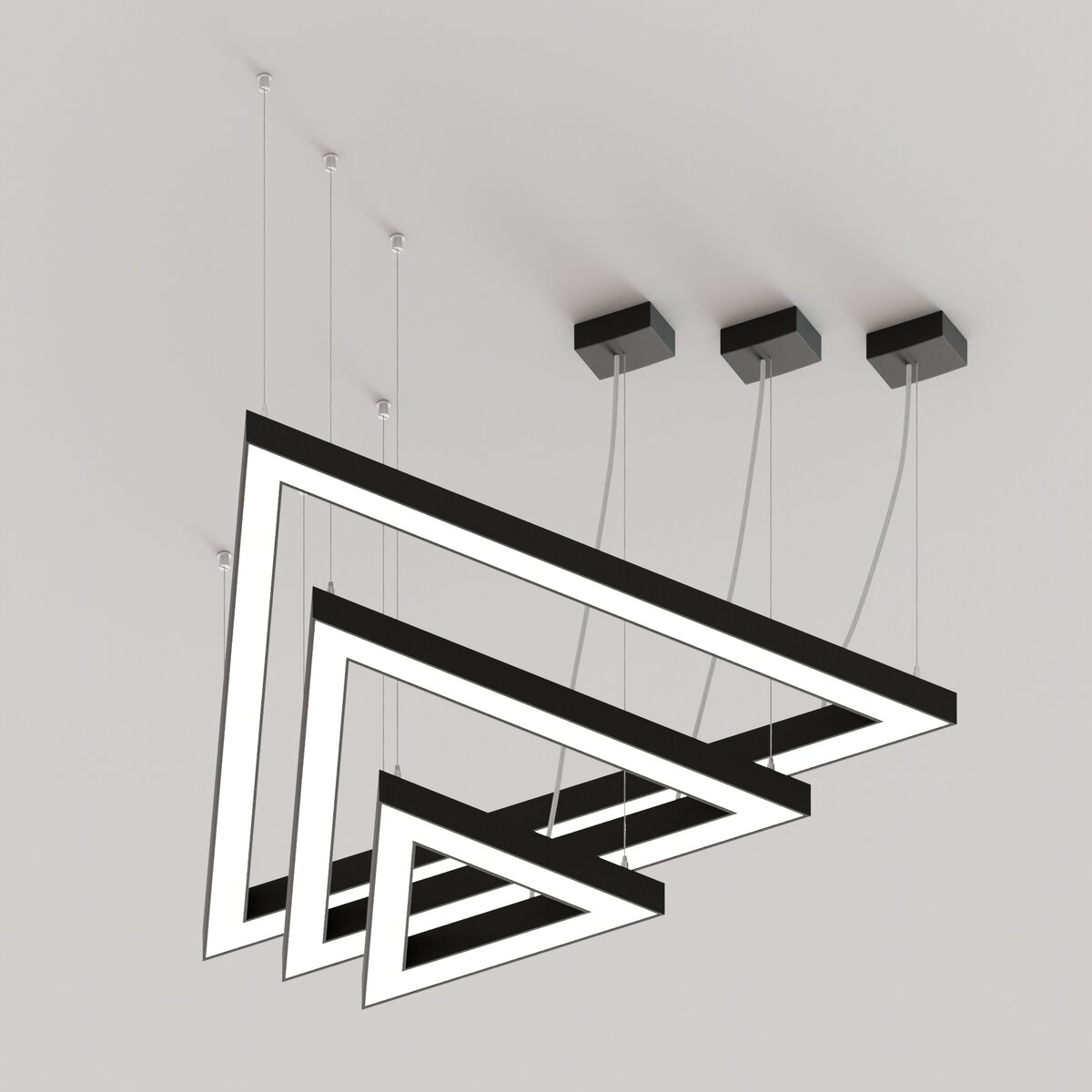
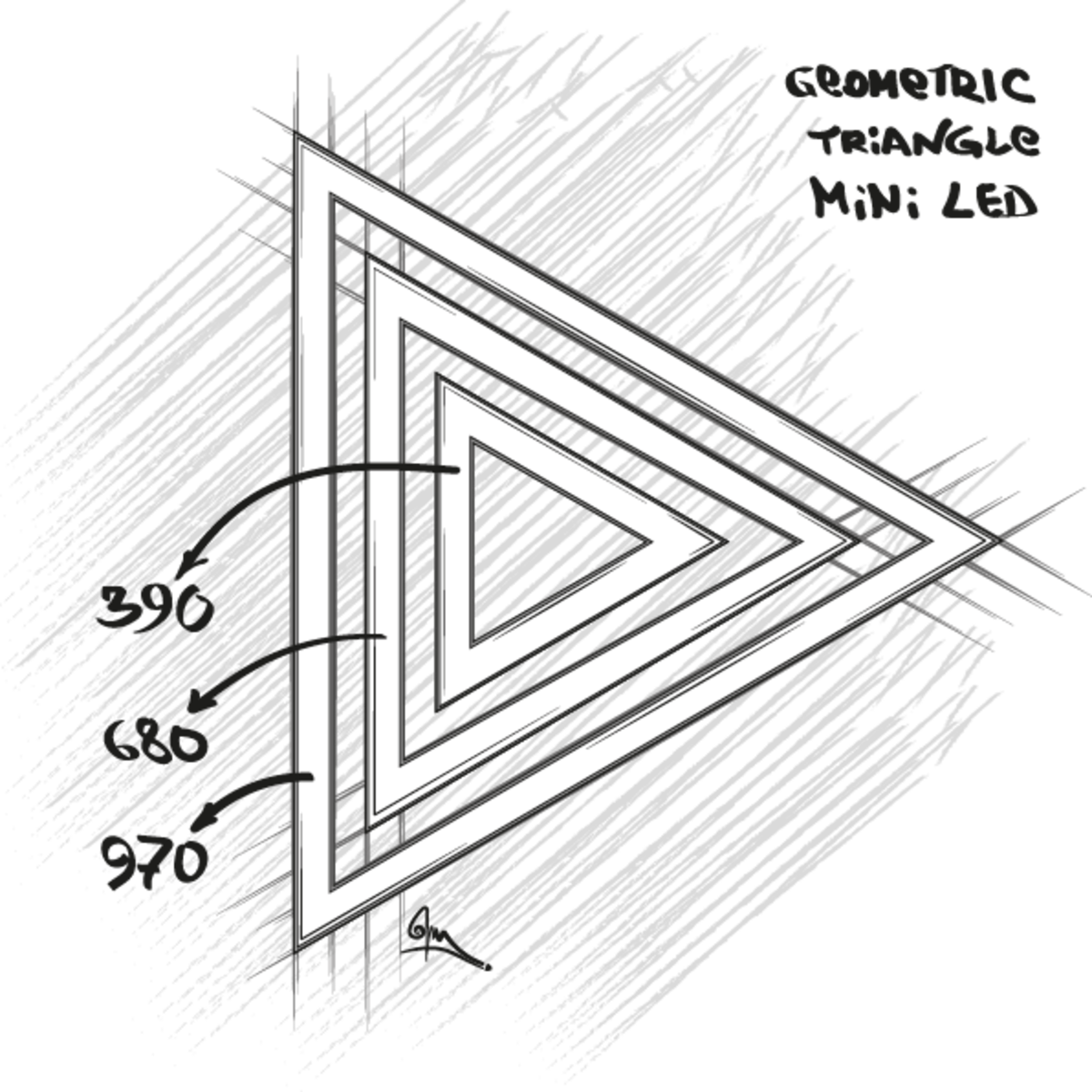
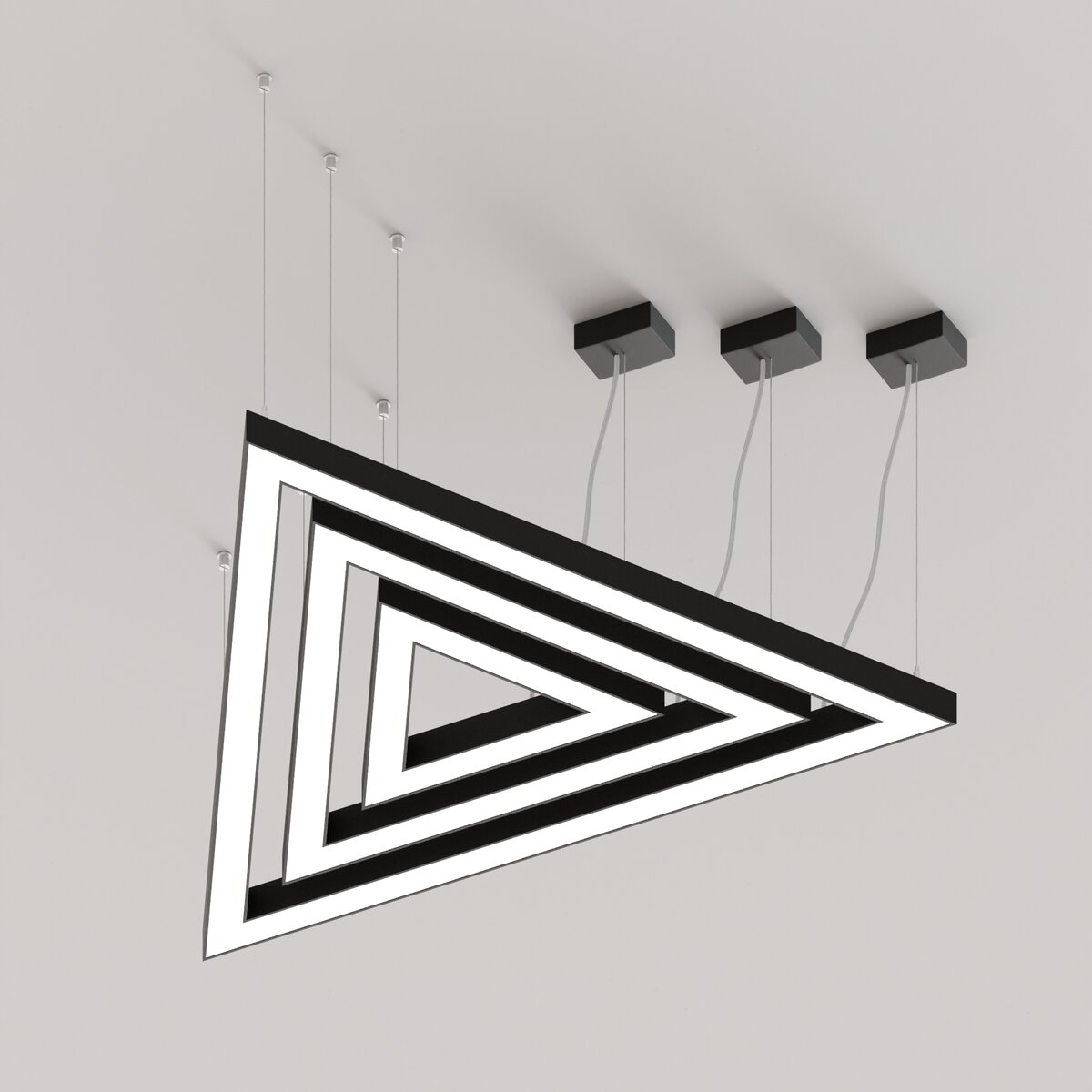
Instead of mounting fixtures centrally or in uniform rows, designers are increasingly opting for asymmetrical compositions. The triangle, as a dynamic and directional shape, is perfect for creating the illusion of movement.
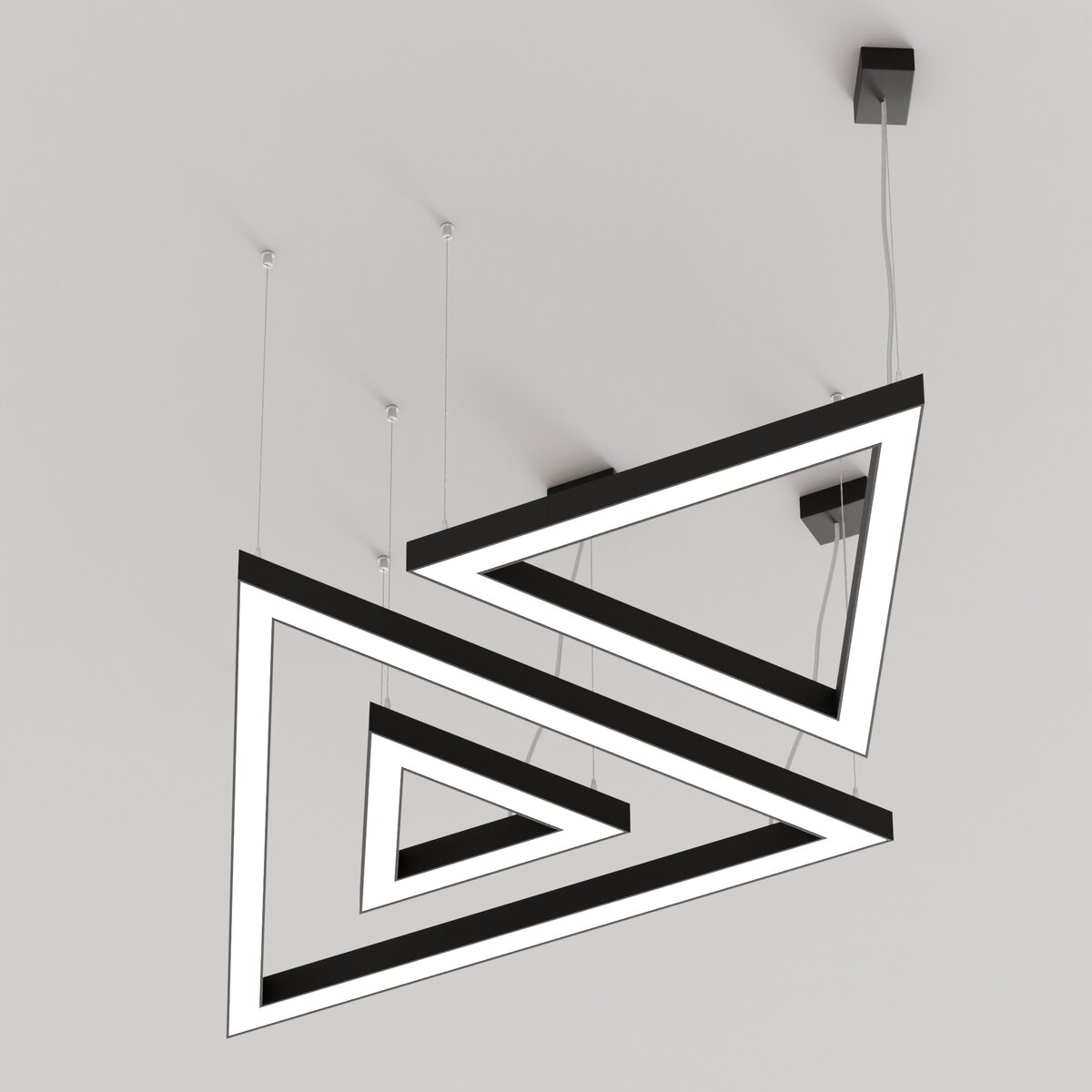
An unconventional installation of triangular luminaires is a solution for the bold—those who seek more than just ergonomics in spatial design. It is a game of contrasts between raw geometry and the softness of the emitted light. Such an installation becomes the interior's primary focal point, often replacing other decorations or artwork.
Design tip: When opting for an unconventional layout, it is worth using dimmable luminaires. Adjusting the light intensity within a geometric composition allows for a complete shift in mood—from a dynamic office environment to an atmospheric lounge. Another intriguing solution is to separate the lighting into several electrical circuits; this allows for switching on different sections independently, further emphasizing the unique character of the fixtures.
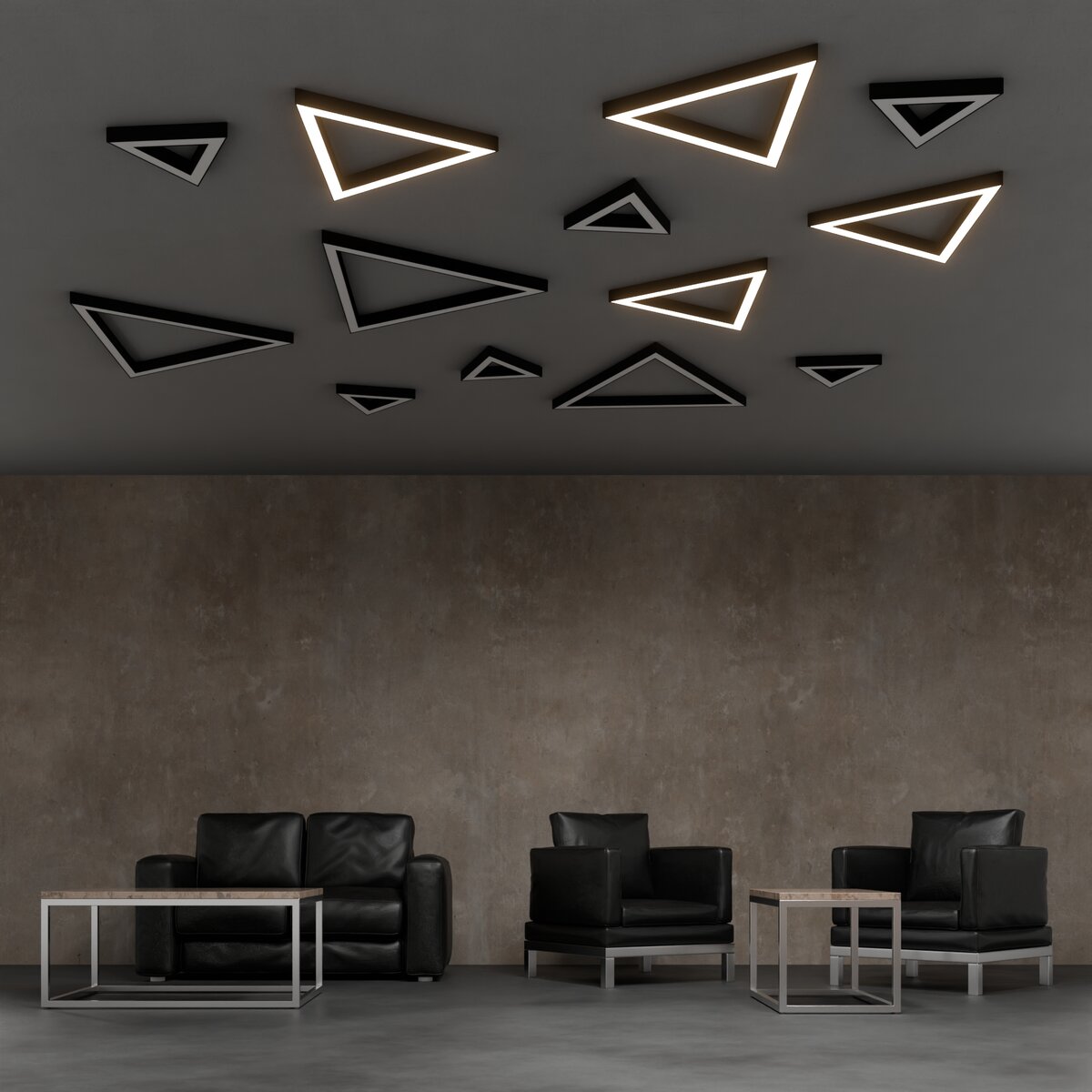
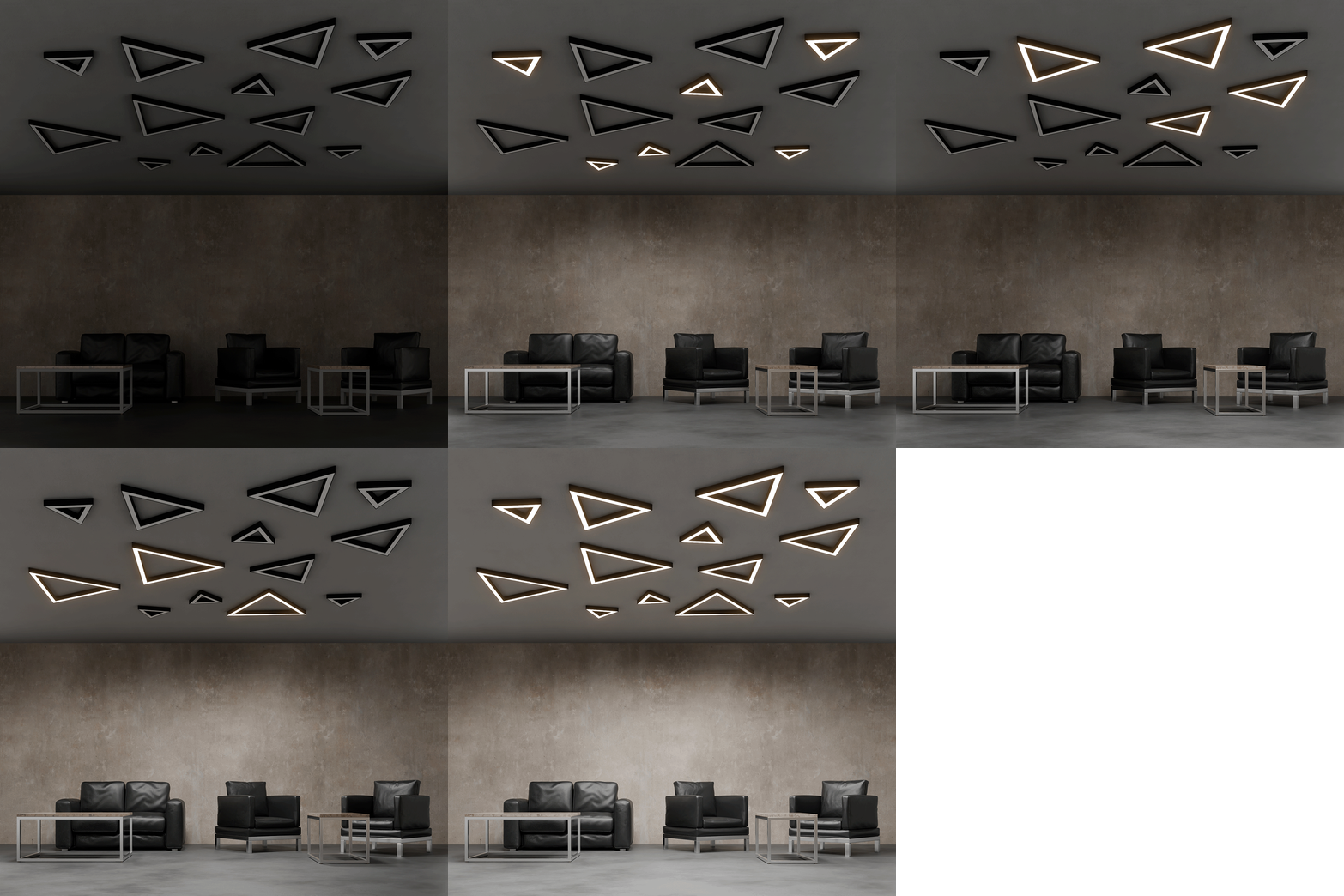
Below is an example of grouping luminaires of the same dimensions by connecting them to a shared electrical circuit.
Three switches allow the light intensity to be adjusted to various needs by dividing the installation into lighting scenes:
|
Instead of strictly adhering to visual lines and symmetry, the luminaires are installed in a seemingly random fashion with varying angles of rotation. This arrangement resembles scattered shards of glass or origami.
The impression
The interior gains lightness and a sense of "artistic clutter," which perfectly breaks the starkness of minimalist spaces.
The arrangement
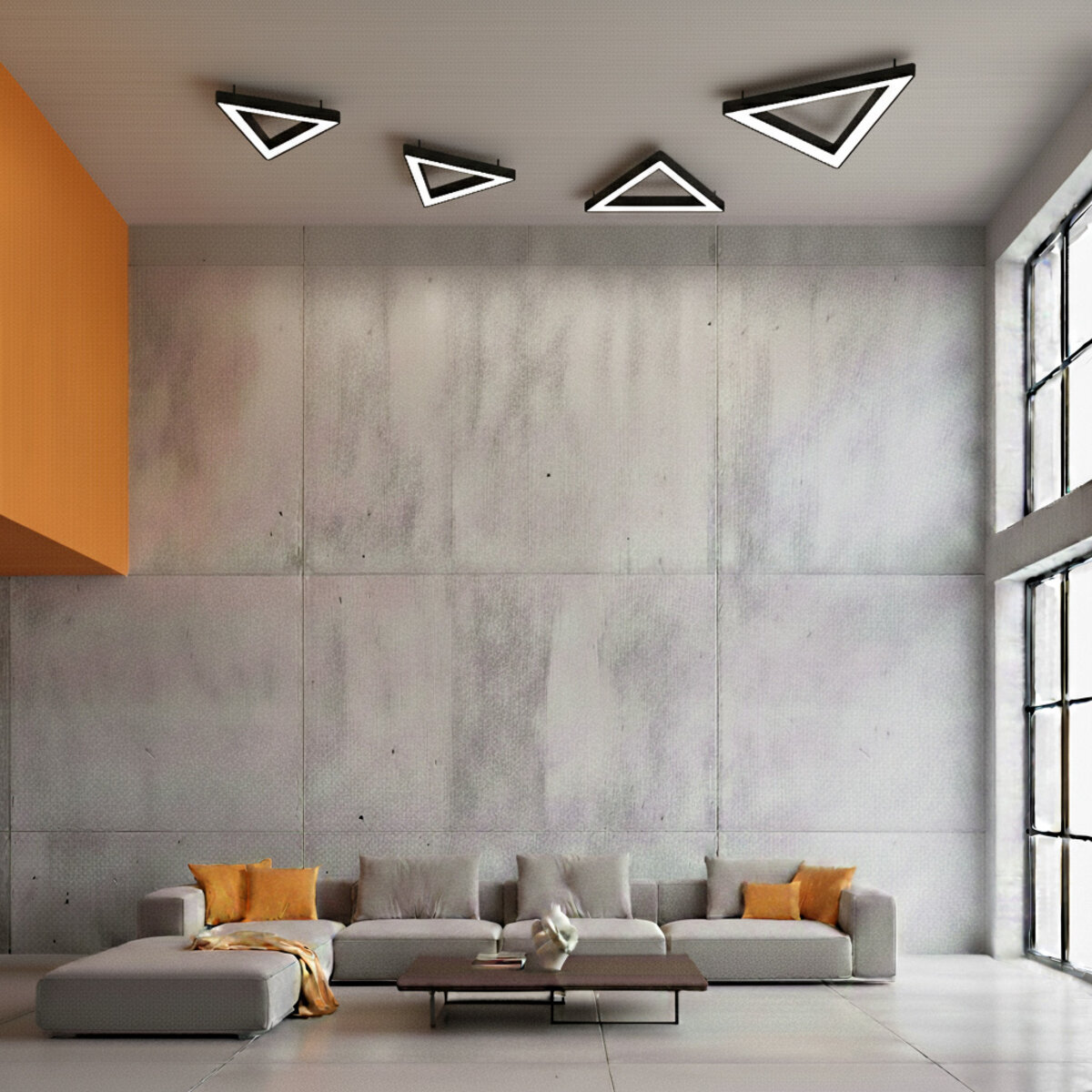
Triangles can appear as individual accents or form complex structures (e.g., triangle-based honeycombs, stars, or abstract ceiling installations). Instead of a classic chandelier, it is worth using a composition of several triangles of different sizes, either surface-mounted or suspended on cables at varying heights. This approach allows for the creation of unique lighting installations that serve both a functional and decorative role (so-called light art).
The diffuser
The luminaires feature an opal (milky) polycarbonate diffuser, which creates a seamless line of light with no visible hot spots (dot-free effect).
Visual lightness
The profiles used in the GEOMETRIC TRIANGLE MINI LED luminaires do not overwhelm the interior; they are perfectly suited for both high-ceiling and low-ceiling rooms.
 Search for products